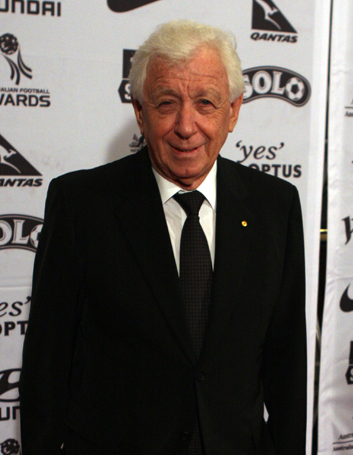
Frank Lowy's $6.4 Billion Net Worth: The Westfield Group Empire
The name Frank Lowy resonates with retail innovation and monumental success. An Australian-Israeli business magnate, Lowy transformed the global shopping landscape, building an empire that spanned continents. His journey from a humble immigrant to one of the world's wealthiest individuals is a testament to extraordinary vision, relentless drive, and an astute understanding of consumer behavior. Today, estimates place
Frank Lowy's net worth in the range of $5.5 billion to $6.4 billion, a staggering figure that underscores the colossal value of the Westfield Group, the retail giant he co-founded. This article delves into the origins of his fortune, the strategies that built Westfield, and the enduring legacy of a man who redefined the shopping experience for millions.
The Formative Years: From Immigrant to Entrepreneur
Born in October 1930, Frank Lowy's early life was marked by the turmoil of World War II and the subsequent search for a new beginning. His family's journey led them to Australia in 1952, a land of opportunity where Lowy would soon lay the groundwork for a future empire.
A New Beginning in Australia and a Fateful Partnership
Upon arriving in Australia, Lowy was far from the billionaire he would become. He started as a small-time businessman, delivering goods, a role that required tenacity and a keen eye for local commerce. It was during this period that destiny intervened, bringing him together with fellow Hungarian immigrant John Saunders. Their meeting proved to be a pivotal moment, sparking a partnership that would revolutionize retail. Lowy and Saunders shared not just a common heritage but also a powerful vision: to create modern, convenient shopping destinations that catered to the evolving needs of the post-war consumer.
In 1958, this shared ambition materialized into the Westfield Development Corporation. Their initial projects were modest, but they possessed a fundamental understanding of urban planning and consumer psychology. They recognized the burgeoning need for accessible, comprehensive retail environments outside traditional city centers, especially as car ownership increased. This foresight was the bedrock upon which the entire Westfield Group would be built.
Building the Westfield Empire: A Retail Revolution
The partnership between Lowy and Saunders was dynamic and highly effective. For the next three decades, they worked tirelessly, expanding their footprint across Australia and into the burgeoning American market.
Pioneering Shopping Centers in Australia and the US
The duo's strategy was bold: identify prime locations, develop large-scale shopping centers, and offer a wide array of stores and services under one roof. This approach was revolutionary for its time, moving beyond simple strip malls to create integrated retail experiences. The success was rapid, and by 1960, the Westfield Development Corporation, now known as the Westfield Group, went public on the Australian Stock Exchange. This move provided the capital necessary to fuel their ambitious expansion plans, marking a significant milestone in their journey.
The growth wasn't just about constructing buildings; it was about curating experiences. Westfield centers became known for their quality, variety, and the ability to attract major retailers. As the company grew, so did the complexity of its operations. The partnership with John Saunders, though incredibly fruitful, eventually evolved. In 1987, Saunders made the decision to sell his share of the company, leaving Frank Lowy in full control of the burgeoning empire. This was a defining moment, solidifying Lowy's singular leadership and empowering him to steer Westfield into its next phase of global expansion.
Westfield's Global Footprint and Innovation
Under Lowy's sole leadership, Westfield continued its aggressive expansion. The 1990s saw the company extend its reach into New Zealand, and by the 2000s, it had made a significant foray into the United Kingdom, establishing iconic shopping destinations in major cities like London. Each expansion was characterized by strategic planning, meticulous design, and an unwavering focus on creating premier retail environments. Lowy understood that shopping centers were more than just places to buy goods; they were community hubs, entertainment venues, and social spaces.
This era also saw Westfield adapt to changing retail trends, from the rise of e-commerce to evolving consumer expectations for experience-driven retail. The company consistently invested in modernizing its properties, incorporating dining, entertainment, and lifestyle offerings to ensure its centers remained relevant and attractive.
In October 2010, as he turned 80, Frank Lowy transitioned from his role as Executive Chairman to Non-Executive Chairman, signaling a well-planned succession. His sons, Steven and Peter Lowy, stepped into the roles of joint chief executives, ensuring the family's continued leadership and vision for the Westfield legacy. This transition reflected Lowy's foresight not just in business strategy but also in securing the long-term future of his enterprise. For more insights into the intricate journey of the Westfield Group, read
From Small Business to Billions: Frank Lowy's Westfield Success Story.
Frank Lowy's Net Worth: A Billion-Dollar Legacy
The sheer scale of the Westfield Group's operations—over 100 shopping centers spanning four countries—is directly reflected in Frank Lowy's extraordinary wealth. His personal fortune has been meticulously tracked over decades, consistently placing him among the world's elite.
Tracking the Wealth: From BRW Rich List to Australia's Richest
Frank Lowy's wealth has been a fixture on the Business Review Weekly (BRW) Rich 200 list since its inception in 1983. This consistent presence highlights the enduring value and growth of his assets. A significant milestone occurred in 2010 when he was officially named Australia's richest person, with his wealth estimated at a staggering A$5.04 billion by the Business Review Weekly. This recognition underscored not only his personal success but also the massive economic impact of the Westfield Group on the Australian economy and globally.
Today, while exact figures can fluctuate due to market conditions and investment portfolios, estimates of
Frank Lowy's net worth generally range between $5.5 billion and $6.4 billion. These figures are a direct reflection of:
*
Property Holdings: The immense value of the prime retail real estate owned and managed by Westfield across Australia, New Zealand, the United States, and the United Kingdom.
*
Equity Stakes: His significant shareholdings in various entities, including the successor companies to the original Westfield Group (e.g., Scentre Group in Australia/NZ and Unibail-Rodamco-Westfield globally after a major acquisition).
*
Strategic Investments: Diversified investments beyond the core retail property business, likely encompassing other sectors.
*
Dividend Income: Consistent income generated from the vast portfolio of properties, including rents from thousands of retail tenants.
The ability to maintain and grow such wealth for decades is a testament to prudent financial management, strategic foresight, and an unparalleled understanding of the global retail real estate market. The differences in reported net worth figures (e.g., $5.5 billion vs. $6.4 billion) often stem from different valuation methodologies, reporting dates, and the specific assets or liabilities considered by various financial publications. Regardless, the consensus places him firmly in the billionaire club, a testament to a lifetime of empire-building. You can learn more about the financial milestones that contributed to his fortune in
Building a Retail Giant: The Story Behind Frank Lowy's $5.5B Fortune.
Key Business Principles from a Billionaire's Journey
Frank Lowy's career offers a masterclass in entrepreneurship, leadership, and wealth creation. His journey is replete with valuable lessons for aspiring business leaders.
Vision and Foresight in Retail
Lowy possessed an uncanny ability to anticipate trends and envision the future of retail. He didn't just build shopping centers; he created destinations.
- Identify Untapped Potential: His early recognition of the need for large, integrated shopping centers outside city centers was groundbreaking.
- Focus on Experience: Lowy understood that convenience and variety were not enough. Modern retail demands engaging environments, a principle that continues to drive successful shopping districts today.
- Adaptability: The retail landscape is constantly shifting. Lowy's ability to pivot, innovate, and reinvest in his properties kept Westfield at the forefront, even in the face of disruptive technologies like e-commerce.
Strategic Partnerships and Succession Planning
The success of Westfield was initially a product of a powerful partnership, and its longevity is due to careful succession.
- Value Synergies: The collaboration with John Saunders leveraged complementary strengths, proving the power of a strong business partner.
- Plan for the Future: Lowy's structured transition of leadership to his sons ensured continuity, stability, and the preservation of the family's legacy within the company. This long-term view is crucial for sustained success.
Resilience and Global Ambition
Frank Lowy's story is one of overcoming adversity and thinking big.
- Embrace Calculated Risk: Expanding internationally, particularly into competitive markets like the US and UK, required significant investment and a willingness to take calculated risks.
- Perseverance: The path to building a multi-billion-dollar empire is never smooth. Lowy's journey undoubtedly faced numerous challenges, but his persistent drive pushed Westfield forward.
Conclusion
Frank Lowy's journey from a post-war immigrant to a billionaire retail magnate is an inspiring narrative of ambition, strategic brilliance, and unwavering dedication. His
net worth of $6.4 billion (or $5.5 billion, depending on the estimate) is not merely a number; it's a reflection of the sprawling Westfield Group empire, a testament to his vision in transforming the global retail landscape. Through identifying market needs, fostering key partnerships, and executing bold expansion strategies, Lowy built a legacy that redefined how people shop and socialize. His story continues to serve as a powerful example of how entrepreneurial spirit, combined with a deep understanding of market dynamics, can lead to extraordinary wealth and lasting impact.