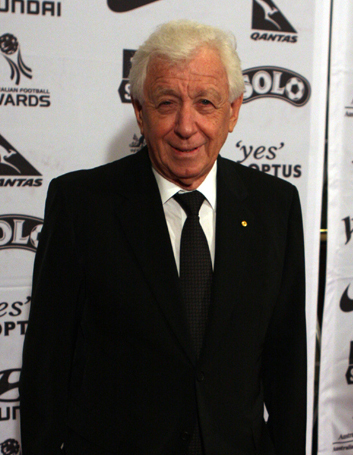
From Small Business to Billions: Frank Lowy's Westfield Success Story
The narrative of Frank Lowy is a captivating testament to resilience, vision, and the transformative power of entrepreneurship. From humble beginnings as an immigrant delivering small goods, Lowy co-founded what would become a global retail behemoth, the Westfield Group. His journey is not just about building shopping centers; it's about pioneering an entire industry, reshaping urban landscapes, and amassing an incredible fortune that consistently places his
frank lowy net worth among the world's wealthiest individuals. This article delves into the remarkable ascent of Frank Lowy, exploring the strategic decisions, pivotal partnerships, and relentless drive that fueled his multi-billion-dollar empire.
The Humble Beginnings: From Immigrant to Entrepreneur
Born in October 1930, Frank Lowy's early life was marked by the turmoil of World War II and the subsequent search for a new beginning. After leaving Israel in 1952 to join his family in Australia, Lowy arrived with little more than ambition and a keen eye for opportunity. His initial foray into business involved the modest but essential task of delivering small goods, a role that gave him invaluable firsthand experience of local commerce and the logistics of supply and demand.
It was during this period that a serendipitous encounter changed the course of his life and Australian retail history. Lowy met fellow Hungarian immigrant John Saunders, and an instant connection forged a powerful partnership. Both shared an entrepreneurial spirit and a knack for identifying unmet needs in the burgeoning post-war economy. In 1958, this dynamic duo established the Westfield Development Corporation. Their initial vision was audacious yet simple: to build modern, convenient shopping centers that would cater to the growing suburban populations, providing a superior retail experience compared to traditional high streets. This partnership laid the bedrock for a future empire, demonstrating the power of collaboration and a shared entrepreneurial dream.
Building a Retail Empire: Westfield's Strategic Ascent
The foundation of Westfield Development Corporation marked the beginning of an extraordinary three-decade collaboration between Lowy and Saunders. Their initial focus was on developing shopping centers primarily in Australia, quickly gaining a reputation for innovation and quality. However, their ambition extended beyond their adopted homeland. Recognizing the immense potential of the American market, they strategically expanded into the United States, building a dual-continent presence that diversified their portfolio and accelerated growth.
A pivotal moment came in 1960 when the company, later renamed the Westfield Group, went public on the Australian Stock Exchange (ASX). This strategic move provided the necessary capital to fuel their aggressive expansion plans, allowing them to undertake larger, more complex projects. The public listing was a testament to their early success and the confidence investors had in their vision.
The partnership with Saunders, while incredibly fruitful, eventually reached a turning point. In 1987, John Saunders sold his shares, granting Frank Lowy full control of the Westfield Group. This transition marked a new era for the company, with Lowy at the sole helm. Far from slowing down, Lowy seized this opportunity to further expand Westfield's global footprint. He strategically moved into New Zealand in the 1990s, and then into the highly competitive and lucrative United Kingdom market in the 2000s. These expansions were not merely about adding more square footage; they were about adapting Westfield's successful model to diverse cultural and economic landscapes, consistently delivering high-quality retail environments.
What truly set Westfield apart was Lowy's unwavering commitment to creating experiential shopping destinations. He understood that a shopping center was more than just a collection of stores; it was a community hub, a place for entertainment, dining, and social interaction. This foresight allowed Westfield to continually innovate, often setting industry standards for design, tenant mix, and customer experience. It's this deep understanding of the retail landscape and consumer psychology that forms a significant part of the story behind
building a retail giant and Frank Lowy's $5.5B fortune.
The Billion-Dollar Man: Understanding Frank Lowy's Net Worth
The journey from a small goods delivery man to a global property magnate naturally leads to the question: what is the current estimation of
frank lowy net worth? Over the years, his immense wealth has been consistently tracked and reported by various financial publications. According to TheRichest, Frank Lowy has an estimated net worth of $6.4 billion. Celebrity Net Worth similarly places his fortune at around $5.5 billion. These figures highlight the scale of the empire he built and the substantial value of his personal holdings in the Westfield Group and other assets.
In 2010, a significant year for Lowy, he was officially recognized as Australia's richest person, with his wealth estimated at a staggering A$5.04 billion by the Business Review Weekly. This recognition underscored the incredible growth and valuation of Westfield under his leadership. His consistent appearance on the BRW Rich 200 list every year since its inception in 1983 further solidifies his status as a permanent fixture among Australia's wealthiest individuals.
The basis of Lowy's astounding net worth lies in several key factors:
- Significant Equity Holdings: His long-term ownership and control of a substantial portion of the Westfield Group's shares were the primary drivers of his wealth.
- Strategic Asset Accumulation: The continuous development and acquisition of prime retail properties globally contributed to a vast portfolio of valuable assets.
- Market Valuation and Growth: The sustained success and profitability of Westfield, along with its strategic expansions, led to strong market valuations of the company over decades.
- Diversified Investments: While Westfield was the core, it's common for individuals of his wealth to have diversified investments outside of their primary business.
Understanding how this wealth was accumulated offers valuable insights into the dynamics of the global property market and the rewards of sustained entrepreneurial success. For a deeper dive into the specifics of his immense fortune, one might explore resources detailing
Frank Lowy's $6.4 Billion Net Worth: The Westfield Group Empire.
A Legacy Beyond Wealth: Succession and Enduring Impact
Frank Lowy’s remarkable career reached a planned milestone in October 2010, when he turned 80. At this point, he decided to step down from his role as Executive Chairman of the Westfield Group, transitioning to the position of Non-Executive Chairman. This move wasn't a departure but a strategic transition, ensuring the continuity and future direction of the company he meticulously built. His sons, Steven and Peter, were appointed as joint Chief Executives, effectively taking the reins of the day-to-day operations. This seamless succession planning is a critical lesson for any business, showcasing the importance of preparing future generations for leadership.
Lowy's journey offers profound lessons for aspiring entrepreneurs and established business leaders alike:
- The Power of Partnership: The initial collaboration with John Saunders demonstrates how complementary skills and a shared vision can be a catalyst for extraordinary growth.
- Visionary Leadership: Lowy didn't just build shopping centers; he envisioned them as lifestyle destinations, constantly adapting to consumer needs and market trends.
- Strategic Risk-Taking: The decisions to go public early and expand internationally were calculated risks that paid off handsomely, illustrating the importance of bold, well-thought-out moves.
- Long-Term Commitment: Lowy's dedication to Westfield spanned decades, highlighting that true empire-building requires enduring commitment and resilience through various economic cycles.
- Effective Succession Planning: Handing over leadership to his sons ensured the continued legacy and stability of the Westfield Group, a crucial aspect of sustainable business.
Conclusion
Frank Lowy's story is a powerful narrative of ambition, strategic acumen, and an unwavering commitment to building something truly monumental. From a small-time goods deliveryman to the architect of a global retail empire, his journey underscores the profound impact an individual can have on an industry and beyond. The incredible
frank lowy net worth is a direct reflection of his genius in identifying market opportunities, fostering key partnerships, and executing a long-term vision that transformed the shopping experience for millions worldwide. His legacy is not just measured in billions of dollars or countless square feet of retail space, but in the enduring spirit of innovation he instilled in the Westfield Group and the indelible mark he left on the global business landscape.